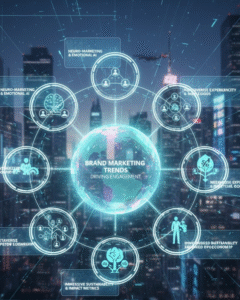
Brand Marketing Trends Driving Engagement
Brand Marketing continues to shape how businesses in the USA connect with customers, build loyalty, and stand out in a crowded digital world. Although the landscape evolves quickly, brands that understand changing consumer expectations are able to adapt, grow, and stay relevant. Today, engagement is more than just visibility—it’s about creating meaningful, memorable interactions that inspire trust and long-term connection.
Why Brand Marketing Matters for Modern Businesses
Strong identity helps brands rise above competition. Because customers rely on online research before buying, companies must communicate clearly and consistently. When messaging aligns with values and personality, audiences feel more connected. This is where Digital Branding plays a major role, especially as consumers prefer brands that feel authentic and approachable.
Additionally, recognizable branding increases confidence. It reassures people that a business cares about quality, customer experience, and long-term relationships. As markets grow more crowded, a strong brand becomes one of the most valuable business assets.
Personalization: A Leading Trend in Brand Marketing
Personalization remains a powerful driver of engagement. Customers want experiences that feel made just for them. Therefore, brands are using data, behavior tracking, and smart automation to tailor content, offers, and recommendations.
Even small businesses can now personalize interactions. Custom messages, segmented emails, and personalized product suggestions increase Customer Engagement because people appreciate relevance and convenience. When content speaks directly to their needs, they are more likely to stay loyal.
Emotional Storytelling Strengthens Brand Marketing
Storytelling has become a cornerstone of modern engagement. Instead of promoting features, brands share stories that highlight real experiences, challenges, and positive outcomes. These emotional narratives connect with audiences in ways traditional ads cannot.
People remember feelings, not just visuals. Therefore, storytelling helps brands communicate identity, mission, and purpose. It builds trust, encourages interaction, and transforms passive viewers into active supporters.
Social Media Communities Shape Interactive Brand Marketing
Social platforms are no longer just posting spaces—they are communities. Today’s customers want real interaction, not one-way promotion. Because of this shift, brands actively engage through comments, polls, short videos, live chats, and user-generated content.
When brands participate instead of broadcast, engagement rises. Customers enjoy being heard, acknowledged, and appreciated. Moreover, communities allow brands to understand audience needs faster, which leads to better decisions and stronger loyalty.
AI and Automation Support Creative Brand Marketing
Artificial intelligence continues to reshape marketing strategies. AI tools assist with content creation, audience insights, email automation, and campaign optimization. Although human creativity remains essential, AI helps streamline work and improve accuracy.
Moreover, predictive analytics help brands understand what customers want before they ask. This leads to smarter decisions, faster execution, and more effective messaging.
However, authenticity remains crucial. AI should support—not replace—the human elements that make brands unique.
Digital Branding Elevates the Power of Brand Marketing
Effective Digital Branding ensures consistency and clarity across all platforms. Because customers interact with brands through websites, social media, email, and video, businesses must maintain a unified voice and visual style.
Consistent digital branding increases trust. It reassures people that your brand is reliable, stable, and committed to quality. Additionally, digital branding influences how customers feel, which directly impacts engagement and loyalty.
Interactive Experiences Boost Brand Marketing Engagement
Interactive content is gaining massive popularity. Quizzes, AR filters, surveys, calculators, and gamified elements encourage customers to spend more time engaging. Instead of scrolling past, people participate.
Longer engagement boosts recall and increases the likelihood of action. When customers enjoy the experience, they want to return. Therefore, interactive marketing is becoming a must-have tool for brands aiming to create memorable moments.
Influencer Collaborations Enhance Modern Brand Marketing
Influencer partnerships remain a powerful engagement strategy. However, micro-influencers are leading the trend because they offer authenticity and stronger community trust.
Their followers view them as relatable rather than promotional. Consequently, brands achieve higher engagement, better conversions, and stronger emotional connection through micro-influencer collaborations.
Future Trends Shaping Brand Marketing Engagement
The future of engagement-focused marketing will depend on authenticity, community-building, personalization, and smart technology. As audiences grow more selective, brands must deliver genuine value and consistent experiences across all digital channels.
Companies that remain flexible and innovative will continue to rise. With stronger Customer Engagement, improved personalization, and creative digital strategies, brands can build long-term loyalty and sustainable growth.
Call to Action
Ready to elevate your strategy and create powerful engagement across every channel?
Partner with Webrocket.ai and transform your brand with proven, results-driven marketing solutions.
Conclusion
The future of engagement-driven branding relies on personalization, emotional storytelling, strong communities, and smart digital strategies. As customers expect more authenticity and value, brands must stay creative, consistent, and customer-focused. With support from a trusted Digital marketing agency in USA, businesses can strengthen visibility, build deeper relationships, and create long-lasting engagement in an increasingly competitive market.
FAQs
It is the strategy of shaping how customers perceive a business through identity, messaging, and emotional connection.
Digital Branding strengthens visibility, credibility, and consistency across all online platforms.
Personalization makes customers feel valued, which increases trust, loyalty, and Customer Engagement.
Yes. Even small companies can use personalization, storytelling, and AI-supported tools to improve awareness and connection.
Instagram, TikTok, Facebook, LinkedIn, and YouTube are highly effective for brands aiming to grow engagement.