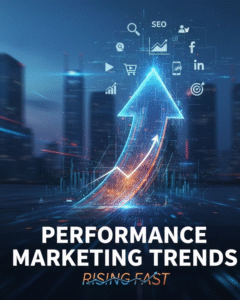
Performance Marketing Trends Rising Fast
Performance Marketing has become a driving force in digital advertising, allowing businesses to track measurable results while optimizing campaigns for maximum ROI. Brands are increasingly leveraging data-driven strategies to reach the right audience at the right time, ensuring every dollar spent contributes directly to conversions and growth. With changing consumer behavior and evolving technology, staying updated on trends is essential for businesses aiming to stay competitive.
Data-Driven Strategies in Performance Marketing
Data-driven strategies are transforming how marketers approach campaigns. Advanced analytics platforms now provide insights into customer behavior, tracking key metrics such as click-through rates, cost per acquisition, and conversion paths. By understanding these patterns, businesses can optimize campaigns in real-time and reduce wasted ad spend.
Artificial intelligence (AI) is playing a pivotal role in this evolution. AI algorithms analyze large datasets to identify high-performing audience segments, predict trends, and adjust bidding strategies automatically. Consequently, marketers can focus on creative planning and strategic decision-making while automated systems handle routine optimizations efficiently.
Personalized Campaigns in Performance Marketing
Personalization is increasingly vital in performance-focused campaigns. Consumers respond better to tailored messaging based on preferences, past behavior, and browsing history. Personalizing campaigns not only improves engagement but also increases brand loyalty and customer retention.
For instance, e-commerce brands often employ recommendation engines that suggest products uniquely suited to each shopper. Similarly, subscription services use personalized offers to encourage repeat interactions. By delivering relevant experiences, businesses can convert more prospects into loyal customers while maximizing the impact of marketing spend.
Omnichannel Approaches for Performance Marketing
An omnichannel strategy integrates campaigns across multiple platforms, including social media, search engines, email, and mobile apps. This ensures a consistent brand experience and strengthens customer engagement. Companies that employ cohesive strategies across channels often see higher conversion rates and improved ROI.
Tracking performance across all touchpoints enables marketers to allocate budgets effectively. Understanding which channels drive the best results allows businesses to refine their campaigns and maintain a seamless customer journey from awareness to conversion.
AI and Automation in Performance Marketing
Artificial intelligence and automation have revolutionized campaign execution. Automated bidding systems, predictive analytics, and machine learning optimize campaigns efficiently, reducing the need for constant manual intervention. These technologies enhance targeting, increase campaign speed, and lower operational costs.
Machine learning can detect patterns humans might miss, such as the best time to reach a particular audience or emerging content trends. As a result, businesses leveraging AI gain a competitive edge by responding faster to market changes and audience behavior.
Influencer and Affiliate Integration
Integrating influencer and affiliate marketing into performance campaigns is another rising trend. Brands now pay influencers or affiliates based on measurable results like clicks, leads, or sales, rather than impressions alone. This approach ensures accountability and delivers a higher ROI.
Monitoring performance allows businesses to identify which partnerships drive the best results. This encourages data-driven decision-making and strengthens collaborations that align with company objectives, making campaigns more effective and trustworthy.
Video and Interactive Content in Performance Marketing
Video and interactive content have become essential components of performance campaigns. Video content captures attention quickly and engages users effectively, while interactive elements such as quizzes, polls, or clickable calls-to-action drive direct user interaction.
Platforms like YouTube, TikTok, and Instagram provide detailed analytics on watch time, engagement, and click-through rates. This data enables marketers to adjust content strategies for better performance, ensuring campaigns remain relevant and compelling.
Mobile-First Performance Marketing
With mobile usage dominating online activity, mobile-first strategies are critical. Performance campaigns must ensure fast-loading landing pages, app-based engagement, and location-targeted messaging to maximize impact. Optimizing for mobile improves user experience, encourages interaction, and drives conversions.
Mobile analytics provide insights into scrolling behavior, click patterns, and engagement duration. These metrics allow marketers to refine campaigns for mobile users, resulting in higher engagement and better overall campaign performance.
Tracking and Attribution in Performance Marketing
Accurate tracking and attribution are key to evaluating campaign success. Multi-touch attribution models help marketers understand how different touchpoints contribute to conversions. This insight guides budget allocation and campaign optimization.
Due to changing privacy regulations and reduced reliance on third-party cookies, businesses are investing in first-party data collection through CRM systems and analytics platforms. These tools ensure continued access to performance insights while maintaining user privacy compliance.
Conclusion: Future of Performance Marketing
The evolution of digital advertising demonstrates that data-driven strategies, AI, personalization, and omnichannel integration are critical for successful campaigns. Businesses that embrace these trends achieve higher ROI, stronger customer engagement, and sustained growth. Moreover, companies aiming for the Best Lead Generation in Dallas can greatly benefit from adopting these advanced approaches to stay ahead in a competitive digital landscape.
For companies looking to elevate their marketing strategies, Webrocket.ai provides expert guidance and tools for high-performing campaigns. Partnering with Webrocket.ai ensures your campaigns remain innovative, measurable, and impactful.
FAQs on Performance Marketing
Performance Marketing is a results-focused strategy where brands pay only for measurable actions like clicks, leads, or sales.
AI improves targeting, predicts customer behavior, and automates optimizations for higher ROI and efficiency.
Personalized campaigns increase engagement, conversion, and customer loyalty by providing content that aligns with individual preferences.
It integrates campaigns across multiple channels, ensuring consistent messaging and seamless user experiences.
By creating responsive landing pages, app-based messaging, and location-specific targeting to improve mobile engagement.